






Program Design
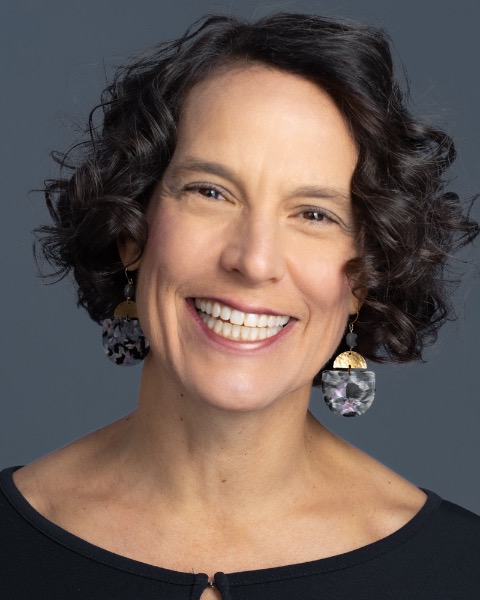
Jennifer Ballentine, MPH
President
Highland Nonprofit Consulting
Decatur, Georgia, United States
Allison Chamberlain, PhD
Associate Professor
Rollins School of Public Health at Emory University
Atlanta, Georgia, United States
Shelby Rentmeester, MPH
Director, Rollins Epidemiology Fellowship
Emory COVID-19 Response Collaborative
Atlanta, Georgia, United States
Location: Room 208
Abstract Information: To infuse more epidemiologists into Georgia’s public health workforce at the outset of the COVID-19 pandemic, Emory University’s Rollins School of Public Health (RSPH) established the Rollins COVID-19 Epidemiology Fellowship Program in partnership with the Georgia Department of Public Health in Fall 2020. Through continual assessment of recruitment, retention, and post-fellowship metrics and an in-depth qualitative evaluation of the program, RSPH gathered information that describes the story of this program, its initial design and continual evolvement, and its impact during the COVID-19 emergency. Through sharing this story with key stakeholders and addressing recommendations the program remains responsive to the changing priorities of partners and is used as a catalyst for effective, sustainable academic-public health partnerships. In this session, panelists will discuss: 1) how and when to strategically use evaluation to build partnerships and cultivate trust and 2) how to use evaluation to design and transition a program built during an emergency to one sustainable beyond crisis.
Relevance Statement: To address urgent epidemiologic needs in Georgia’s state and local health departments (LHD) for COVID-19 response, Emory University’s Rollins School of Public Health (RSPH), in collaboration with the Georgia Department of Public Health (DPH), established the Rollins COVID-19 Epidemiology Fellowship Program in Fall 2020. The two-year service-learning fellowship, operated by RSPH, recruits, hires, and supports early-career, Master’s-level epidemiologists across Georgia. During the program, fellows’ daily activities are assigned by site supervisors. RSPH program staff provide a competency-based professional development curriculum, supplemental mentorship, and comradery-building programming. Program staff collect and continuously monitor recruitment, retention, and post-fellowship metrics to ensure the program is operating as intended and for the benefit of partner districts. Fellows complete self-assessments before and after the program to assess its impact on their epidemiologic skills and competencies. To contextualize these data, an external evaluator conducted a comprehensive qualitative program evaluation in 2022 that provided the LHD supervisors and fellows an opportunity to share their stories and inform program design. Recruited in three cohorts, 38 fellows were hired and placed within 16 of Georgia’s 18 LHDs and DPH between October 2020 and August 2022. Seventy-six percent of the first cohort (n=13/17) have successfully completed fellowship graduation requirements, with an anticipated 100% successful completion rate for the second cohort (n=13/13) by June 2023. All fellows report overall growth across six epidemiology-relevant competencies self-assessed through pre- and post-fellowship surveys. Self-assessed “leadership and systems thinking” and “public health surveillance” saw the largest relative increases in post-fellowship scores (69% and 85%, respectively). Findings from the qualitative program evaluation validate that the program has been successful in partnering directly with DPH and LHDs to fill immediate workforce needs while cultivating a next generation of leaders in public health practice. All supervisors and fellows agreed that the fellowship should continue and that it should expand in scope beyond COVID-19. Now called the Rollins Epidemiology Fellowship, the program remains responsive to the needs of LHD partners in Georgia while focusing on broader epidemiologic needs. The fellowship program will continue to prioritize monitoring and evaluating process, outcome, and impact measures as recruits and places its fourth and fifth cohorts (scheduled for summer 2023 and 2024). This panel will initiate conversations with the audience on how and when to strategically use evaluation to build partnerships and cultivate trust when programs are conceived during an emergency. The panelists will share the story of how this fellowship program used evaluation as a tool to inform design, pivot strategically and sustain partnerships beyond crisis. This proposed panel consists of the director of the Emory COVID-19 Response Collaborative who conceived the program’s vision and foundation, with an emphasis on linkages between academia and public health practice; the director of the fellowship program who operationalizes program development, management, and evaluation processes; and the external evaluator who gathered stories from key stakeholders to inform changes in the program’s design and continuation. The panelists will share the challenges, opportunities, and lessons learned from creating, evaluating, and continually adapting programs in times of public health emergency.
Presenter: Shelby Rentmeester, MPH – Emory COVID-19 Response Collaborative
Presenter: Jennifer M. Ballentine, MPH – Highland Nonprofit Consulting
Presenter: Allison Chamberlain, PhD – Rollins School of Public Health at Emory University